
A nominally fast pouch machine can sit idle while the next client’s material or approval is missing. Compare VFFS and premade-pouch routes against the order sequence, including material readiness, contact-part turnover and client release dependencies.
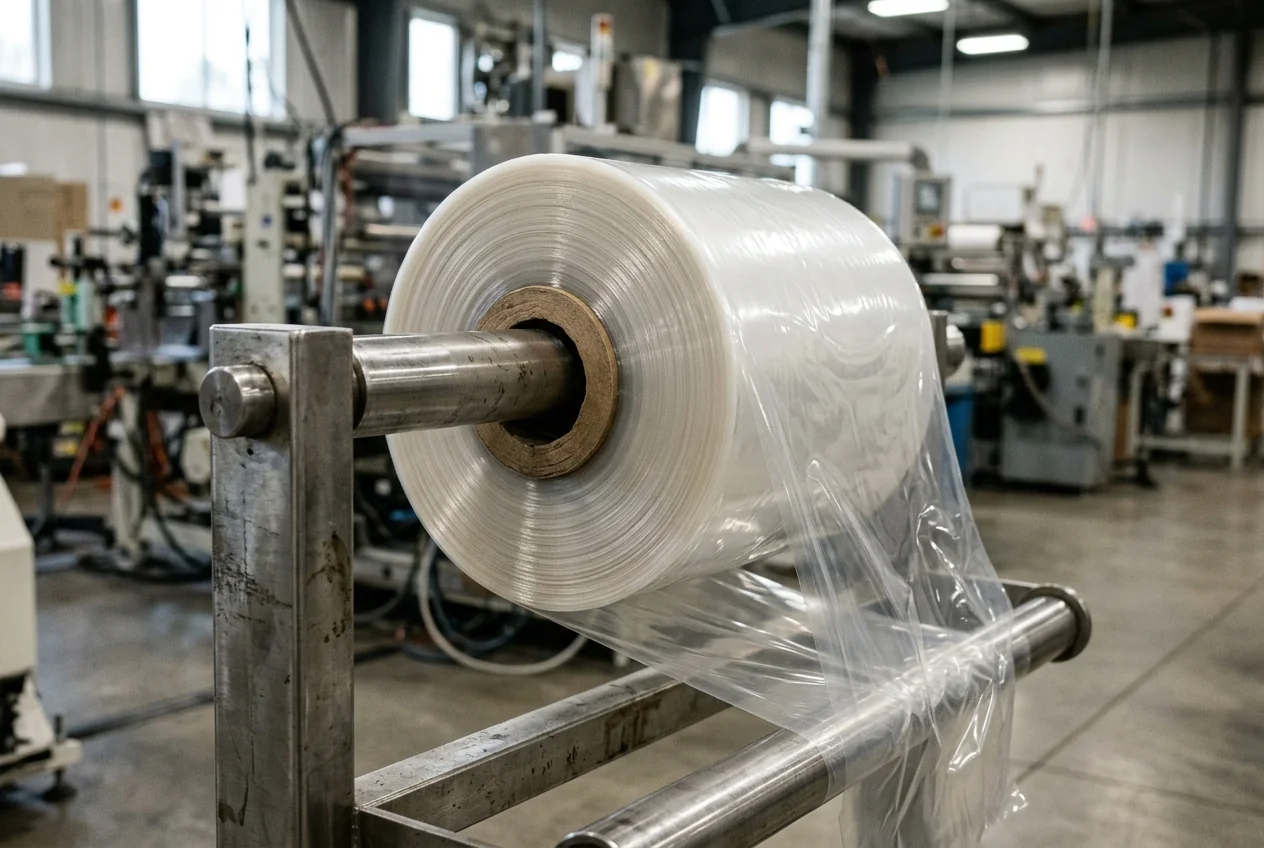
For multi-SKU copacking, choose a route the order book can support. VFFS receives rollstock and forms the bag; premade-pouch equipment receives converted pouches. Put each order’s material route, product-contact requirements and approval status on the same campaign record. This planning comparison uses public process descriptions and supplies no generic speed or cost winner.
Build an order mix before a machine shortlist
List the real jobs the cell is expected to handle. Separate repeat orders with approved materials from new combinations that still need a pilot. A speculative SKU should not inherit the scheduling confidence of a repeat job simply because the pouch dimensions look similar.
| Order input | Record | Scheduling consequence |
|---|---|---|
| Client and SKU revision | Controlled specification reference | Defines which approvals apply |
| Product and contact set | Approved requirements | Defines turnover and readiness work |
| Packaging route | Rollstock or converted pouch | Defines material staging and setup |
| Accepted quantity | Order requirement | Defines the release denominator |
| Artwork and coding | Approved revision | Prevents the wrong material entering a ready machine |
| Qualification status | Pilot or repeat-run reference | Exposes unresolved combinations |
Viking Masek describes the physical forming work in its VFFS guide and identifies premade-pouch filling as a no-rollstock route. That distinction changes material preparation. It does not determine the most economical campaign by itself.
Put material readiness on the schedule
A VFFS order needs the correct roll, forming configuration and registration/setup information. A premade-pouch order needs the correct converted bag and its handling requirements. Track both as identified materials, not a general “packaging available” status.
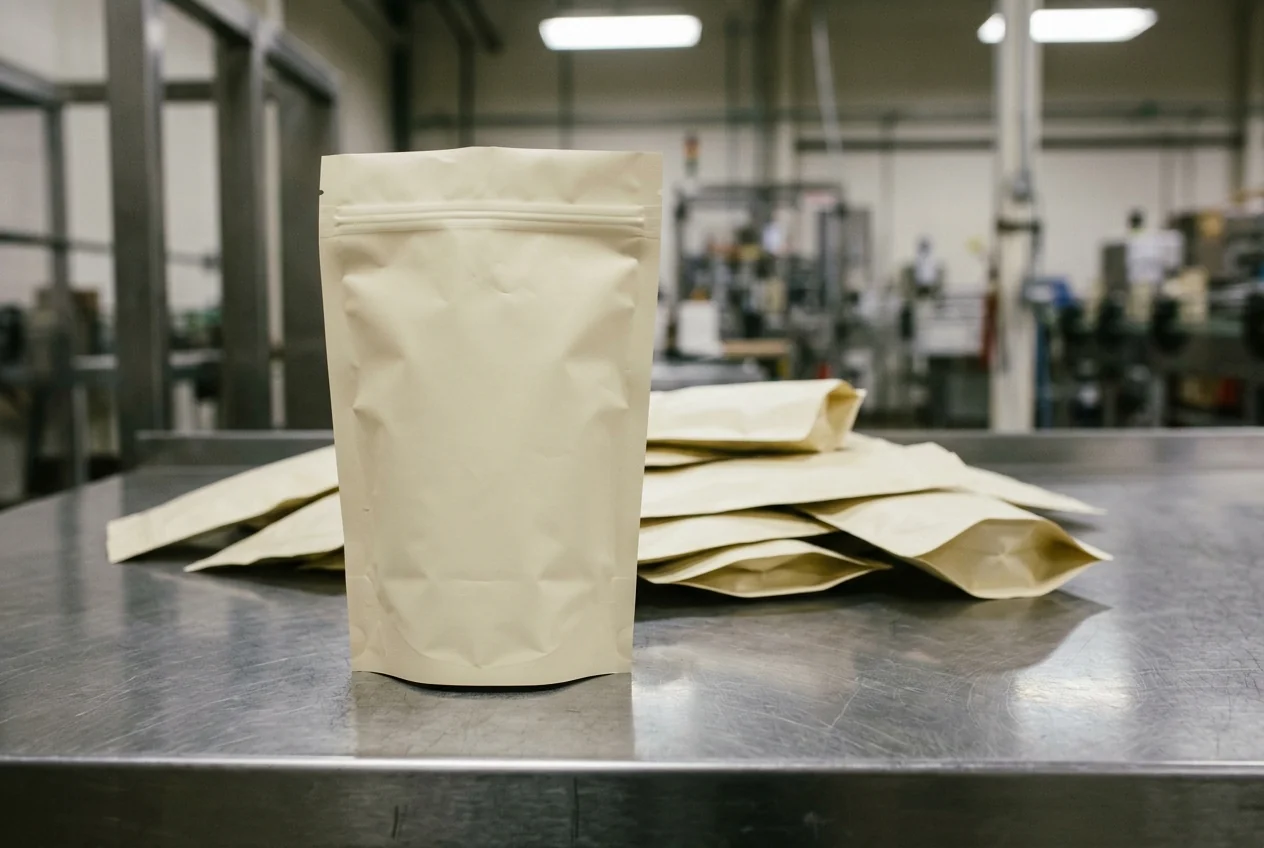
| Dependency | Rollstock campaign | Premade-pouch campaign |
|---|---|---|
| Supply identity | Film structure, print revision and roll lot | Pouch construction, print revision and pouch lot |
| Setup preparation | Applicable forming parts and web requirements | Applicable pouch-handling parts and settings |
| Unused material return | Remaining roll and recorded consumption | Remaining pouches and recorded consumption |
| Change to another pack | Confirm geometry/material compatibility | Confirm size/construction handling compatibility |
| New client approval | Match sample to approved pack specification | Match supplied pouch to approved pack specification |
Avoid scheduling by package dimensions alone. Different constructions or opening features can introduce another qualified setup even within the same nominal size.
Separate a package change from a product change
Two orders may share a film size but require different product-contact preparation. Another pair may use the same product and need different print or pack geometry. Distinguish those transitions so planning does not treat both as one generic changeover duration.
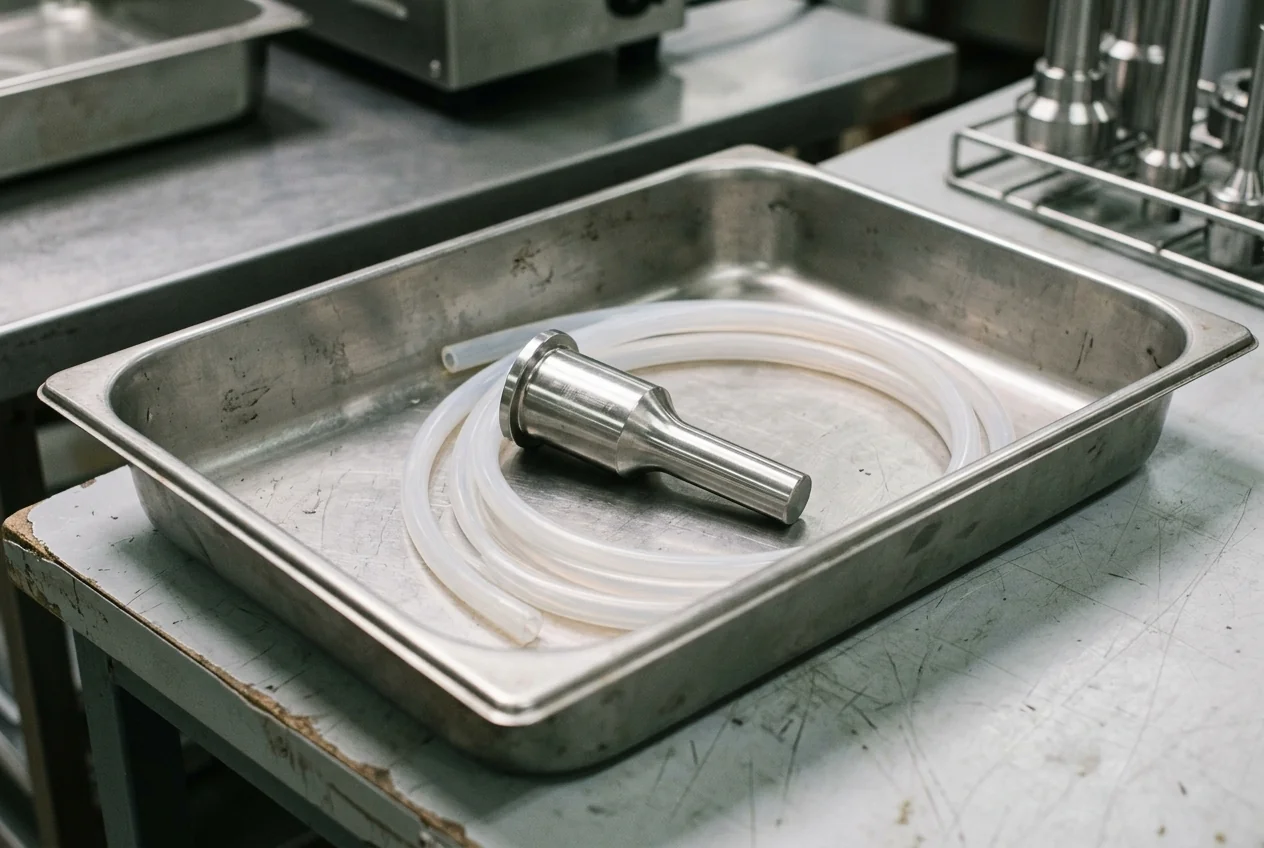
The process owner must decide which product transitions are compatible and what cleaning or replacement is necessary. Do not group clients on the basis of this article’s examples. Put the approved compatibility reference in the campaign record and leave uncertain transitions on hold.
Compare complete campaign scenarios
Compare the same accepted order requirement on each route. Include setup occurrences, material available at each start and the approvals that can hold the next batch. Keep waiting time and equipment work separate so the planner can see what an alternate sequence would actually change.
| Order / transition | Material ready | Contact set ready | Client release input | Planned setup work | Unresolved dependency |
|---|---|---|---|---|---|
| First batch | ___ | ___ | ___ | ___ | ___ |
| Next pack, same approved product | ___ | ___ | ___ | ___ | ___ |
| New client/product | ___ | ___ | ___ | ___ | ___ |
| Return to repeat SKU | ___ | ___ | ___ | ___ | ___ |
Run the scenario again after changing the order mix. If the conclusion depends on consolidating work into a longer campaign, confirm that client due dates, material availability and approved production rules permit that grouping. A schedule that requires unavailable stock is not an equipment advantage.
Decide what to qualify next
Prefer the route with demonstrated product/pack combinations and explicit turnover requirements for the intended order mix. If both remain plausible, use the most consequential transition as the next pilot task. Record material consumption and accepted output so costing can use the result.
Use the batch turnover record to assign readiness and release ownership. For an order involving sticks rather than larger bags, the stick-pack capability guide addresses lanes, dosing and downstream counts.
Methods and sources
The material-route descriptions are based on Viking Masek’s public VFFS and premade-pouch explanations, read alongside full-text local archive sources. Campaign sequencing, dependency columns and qualification decisions are editorial planning proposals. No validated product compatibility, cleaning process, performance forecast or material-price advantage is claimed. Sources were retrieved on 16 October 2026. Return to flexible packaging machines.
Source documents read:
- Premade Pouch Fillers (retrieved 16 October 2026).
- How do Vertical Form Fill Seal Machines Work? (retrieved 16 October 2026).