
A copacker can load the right machine settings for the wrong client revision. Transfer the approved product, packaging and batch identities with the recipe, and keep line clearance and first-off release as separately assigned responsibilities.
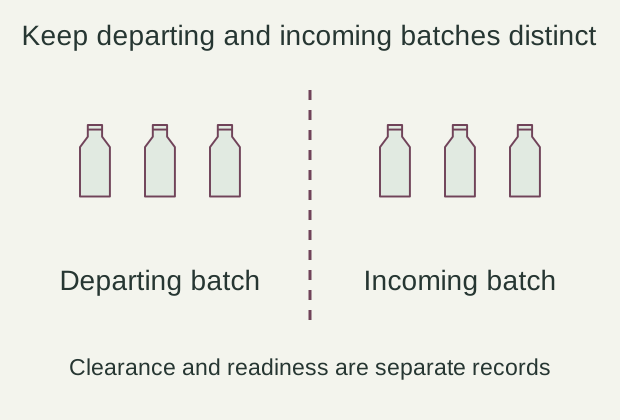
A multi-client filling changeover needs a batch turnover record that connects the departing order to the arriving order. List what has been cleared, what is ready and who can authorize the new output. A saved recipe supports setup, but it does not prove cleaning completion, material identity or the client’s permission to release the batch.
Close the departing order before losing its identity
Record the old client, SKU revision and batch while materials and output remain traceable. Separate accepted, held and discarded output. Identify unused product, containers and packaging with a defined disposition so they do not become anonymous stock beside the next job.
| Departing-batch field | Record | Responsible owner |
|---|---|---|
| Client / order / SKU revision | ___ | ___ |
| Product and packaging lots | ___ | ___ |
| Accepted and held output | ___ | ___ |
| Returns, remaining bulk and scrap | ___ | ___ |
| Open deviation or rework | ___ | ___ |
| Clearance and record references | ___ | ___ |
Do not describe a batch as complete merely because the equipment has stopped. If a reconciliation or release action remains open, carry its owner and hold status into the turnover record.
Match the arriving job across documents
Compare the client-approved specification, physical material and equipment setup record. A recipe name can be convenient while hiding a revision mismatch. Retain a controlled reference for the product, pack and applicable settings, and record approved trial adjustments.
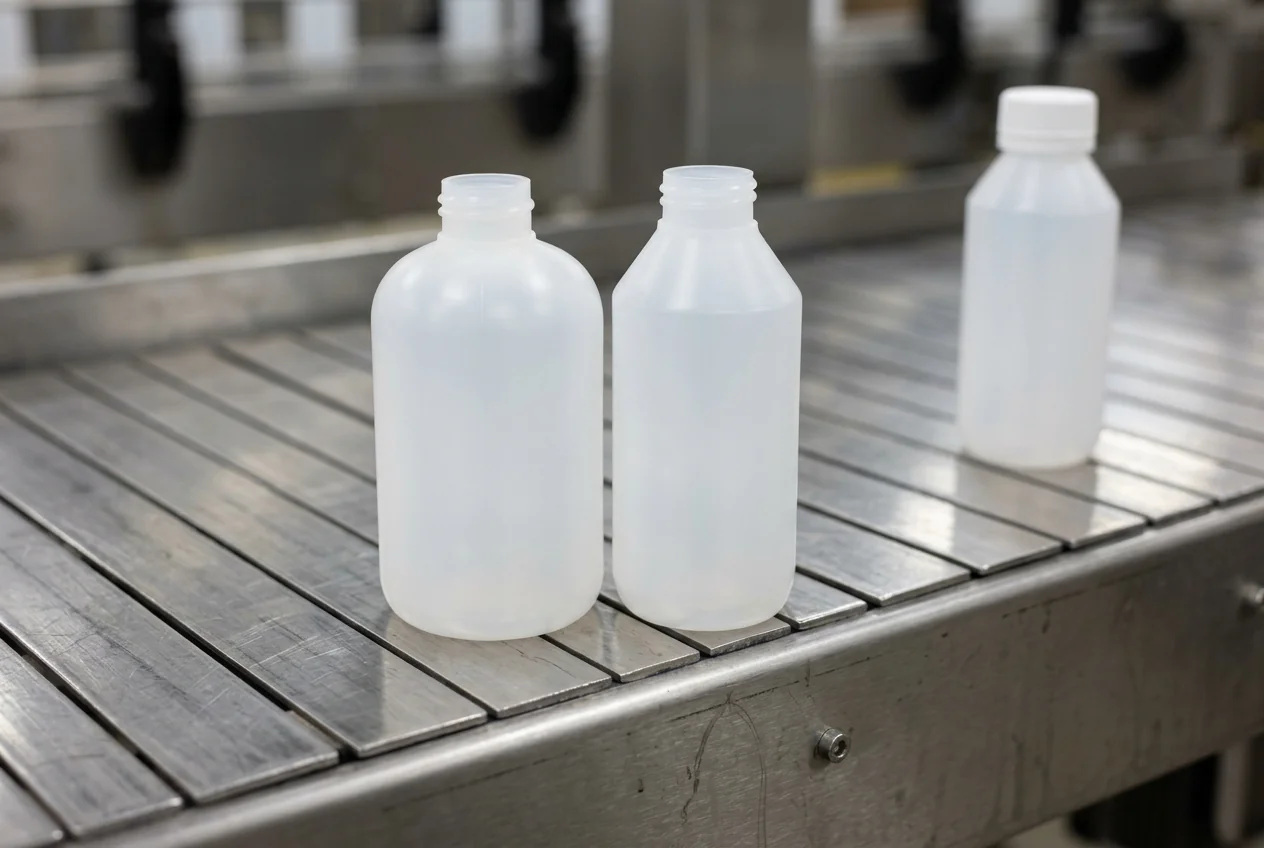
Liquid Packaging Solutions describes saved filling-cycle recipes, physical container adjustments and changes to the product source as separate parts of changeover. For a copacker, those functions also need a connection to the client’s current order. A machine’s recipe list cannot establish that commercial or quality identity by itself.
| Incoming item | Controlled reference | Physical match / readiness | Hold owner if unresolved |
|---|---|---|---|
| Client product | Formula/specification revision and lot | ___ | ___ |
| Container and closure | Drawing/specification revision and lot | ___ | ___ |
| Artwork and coding | Approved version and batch data | ___ | ___ |
| Contact set | Equipment/process reference | ___ | ___ |
| Machine recipe | Recipe ID, revision and approval | ___ | ___ |
| First-off acceptance | Product and pack limits | ___ | ___ |
Separate clearance from readiness
A cleared previous job and a ready new job are different statements. Clearance addresses what must no longer be present; readiness addresses what must be available and approved. Keep both visible, especially when different people complete them.
The responsible team must supply cleaning or replacement instructions for the product pair. LPS describes cleaning-in-place as an equipment option; that public feature statement is not a validated cleaning procedure for two clients’ formulations. This article supplies no chemical, time or residue limit.
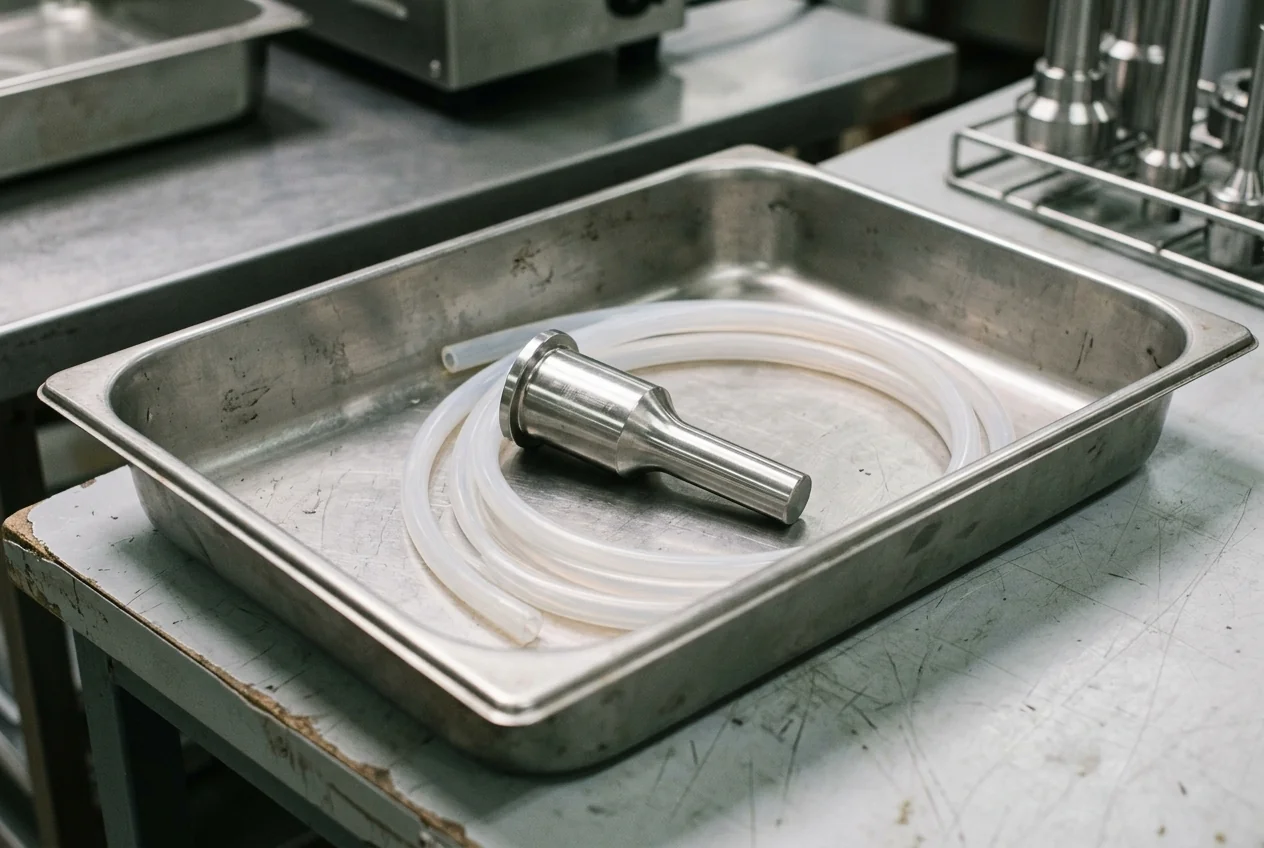
Record product-contact parts by identity and condition, together with the approved evidence reference. A visually tidy tray is not cleaning verification. Where a required confirmation is missing, assign the hold rather than letting the next shift infer acceptance from appearance.
Make the first-off release a named decision
Specify who checks the initial new output, which limits apply and where held startup material goes. If the same person adjusts settings and records a result, the process still needs the review and release responsibilities required by the actual quality system.
| Turnover decision | Required evidence | Completed by / time | Release or hold |
|---|---|---|---|
| Old materials and records cleared | Clearance reference | ___ | ___ |
| Contact path ready | Approved process record | ___ | ___ |
| New identities matched | Order/specification/lot checks | ___ | ___ |
| Setup completed | Recipe and format references | ___ | ___ |
| First-off result accepted | Actual recorded checks | ___ | ___ |
| Production handoff accepted | Open issues and responsible owner | ___ | ___ |
A missed approval should appear as a waiting dependency in planning, not an unexplained extension of mechanical setup. The multi-SKU campaign record helps separate those causes when the order mix changes frequently.
Preserve the turnover after the restart
Store the final settings revision, accepted sample reference and unresolved issue list with the batch record. If a later shift changes an authorized setting, record why and what was rechecked. That history gives the next repeat order a useful starting point without turning an unreviewed trial value into a permanent recipe.
Use the completed record to identify avoidable waiting, missing information and repeated preparation work. A shorter transition is useful only within the agreed product and release conditions; this worksheet provides no target time or reduction guarantee.
Methods and sources
This editorial batch-handoff template builds on LPS’s public changeover explanation and archived piston-filler brochure. The public sources describe machine functions; the client/specification matrix and ownership record are our proposed production-planning aids. They do not establish regulatory compliance, cleaning validation or authority to release a batch. Sources were retrieved on 16 October 2026. Return to flexible packaging machines.
Source documents read:
- Simplifying Changeover for Liquid Filling Machines (retrieved 16 October 2026).
- Premade Pouch Fillers (retrieved 16 October 2026).